

The teacher should assign the debate topic one week before the debate and provide students with material: handouts on the rules of the debate and sources for research (reputable websites, video materials, presentations). All students should prepare for debate. In this way, the participation of all is enabled, including those who are not direct participants but contribute to the success of the debate. If the preparation takes place in class, it is necessary to provide printed material for students and more time, preferably two school classes (90 minutes).
The teacher starts the lesson by introducing the World Day of Cultural Diversity for Dialogue and Development (May 21) and explains its purpose. Celebrating this day promotes cultural diversity, encourages dialogue between cultures and supports development through cultural exchange, which is recognized by UNESCO.
The teacher asks the question: "Should World Cultural Diversity Day be a national holiday?" Additional question explanation:
"How can cultural diversity benefit a nation?"
"What is the impact of national holidays and why do countries choose to celebrate certain days?"
This introduction may include video material.
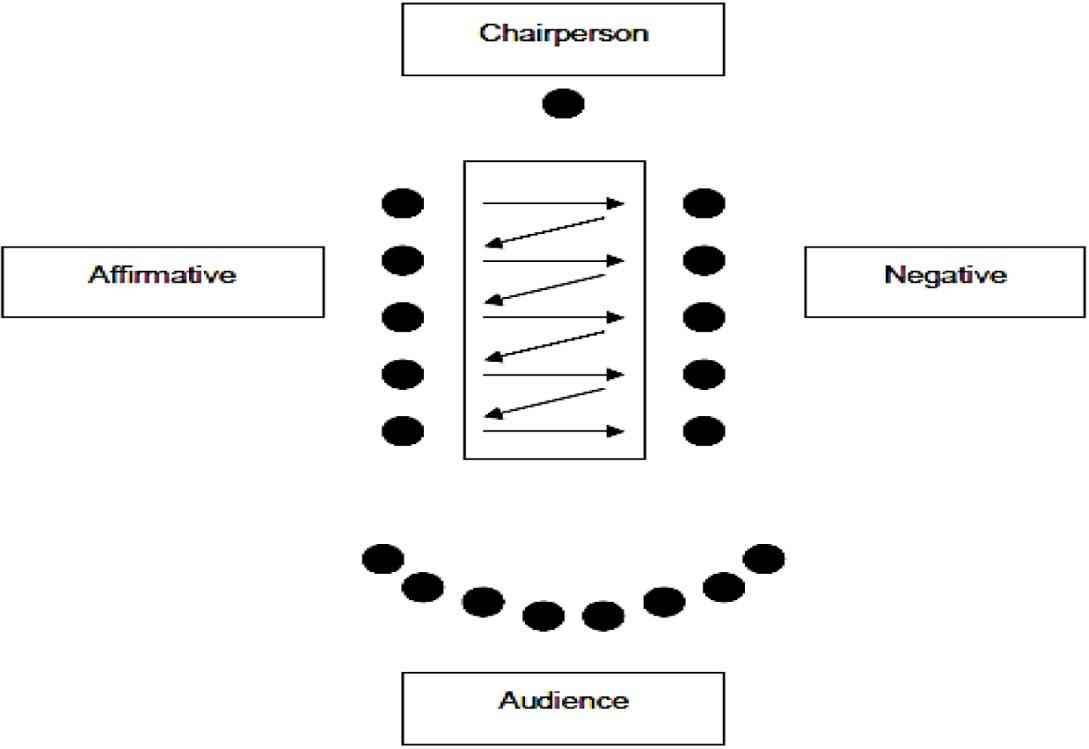
A (Pro-Team, three speakers): Advocates for making World Day for Cultural Diversity a national holiday.
B (Con-Team, three speakers): Argues against making it a national holiday.
Team B: What are the challenges or disadvantages of making this day a national holiday? Are there better ways to promote cultural awareness?
Team A (first speaker): Present their arguments (3 minutes). Team B (first speaker): Present their arguments (3 minutes).
Team A (second speaker): Responds to the Team's B arguments (2 minutes). Team B (second speaker): Responds to the Team's A arguments (2 minutes).
Team A (third speaker): Team gives their final statement (2 minutes). Team B (third speaker): Team gives their final statement (2 minutes).
Potential arguments for A team:
Potential arguments for B team:
.svg)


.svg)
.svg)
.svg)
.svg)
.svg)